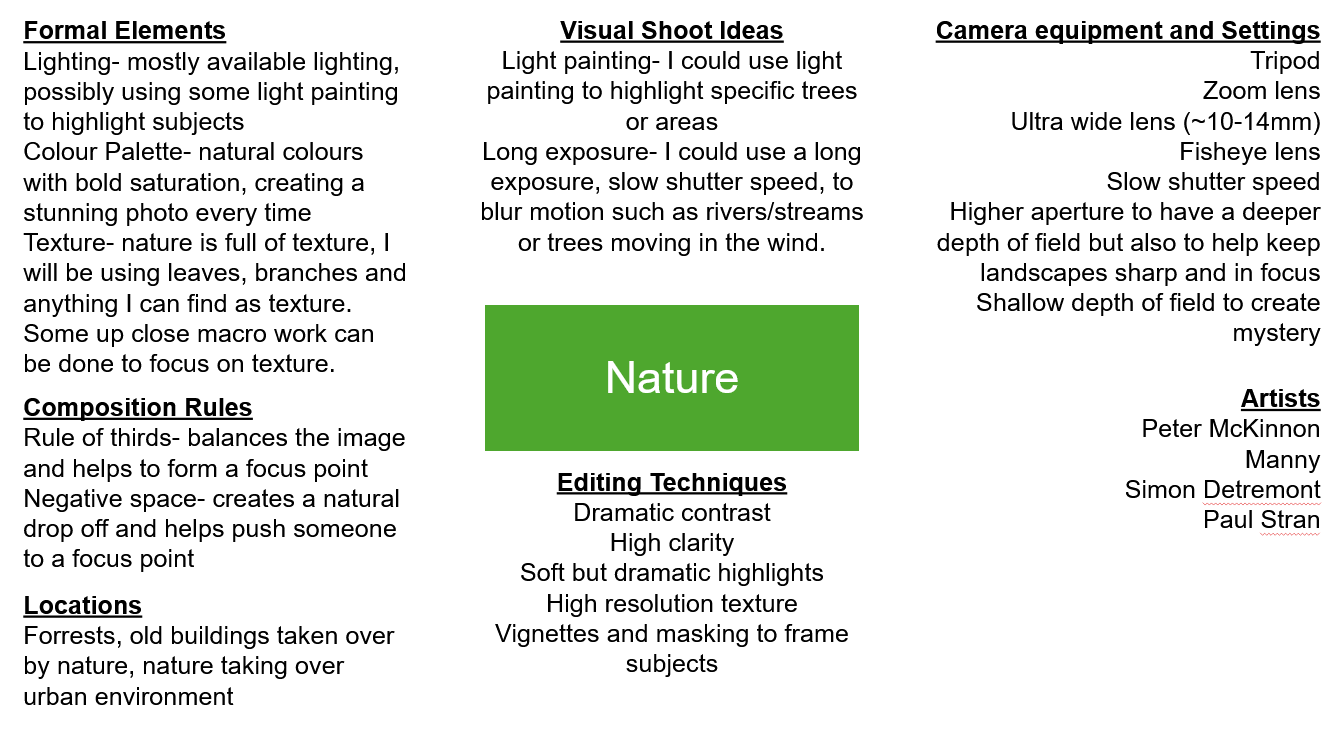
Mindmap of Initial Ideas
Manual Mode – Exposure Triangle
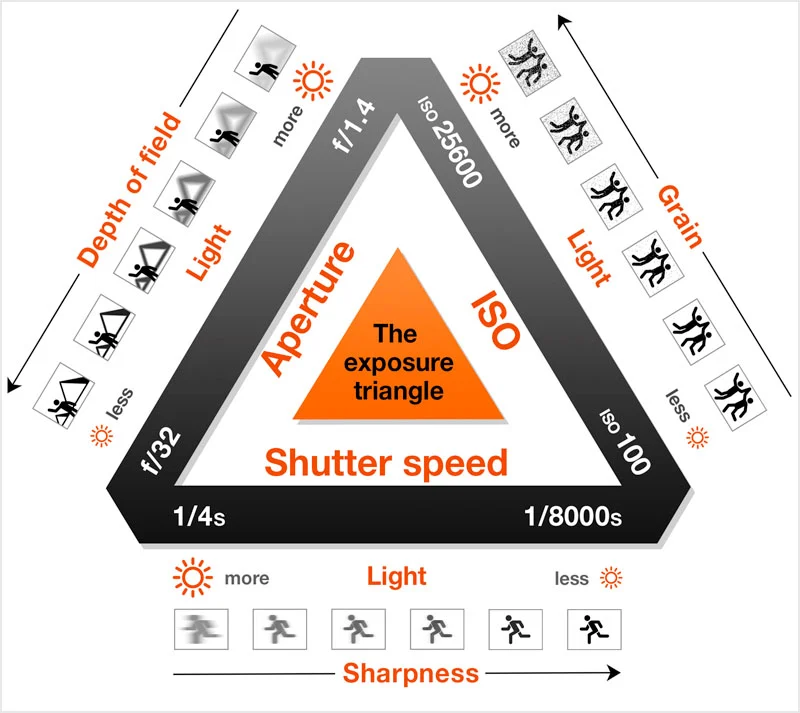
When working in manual it allows the photographer to be in control of the shutter speed, aperture and ISO and thai is selected using M on the programme dial. When changing any of those three settings it affects two elements, firstly the light and secondly the visual effect.
Shutter speed
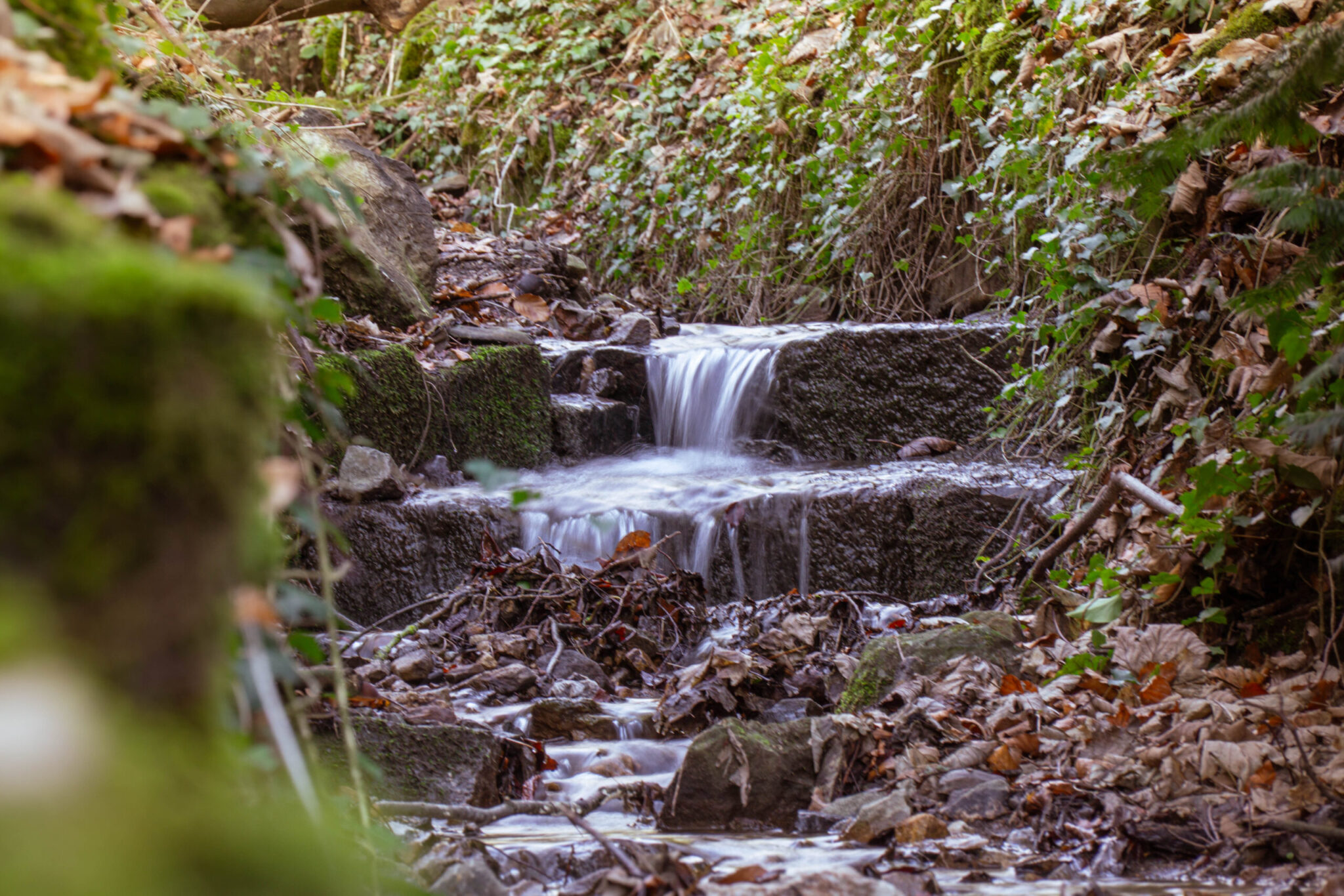
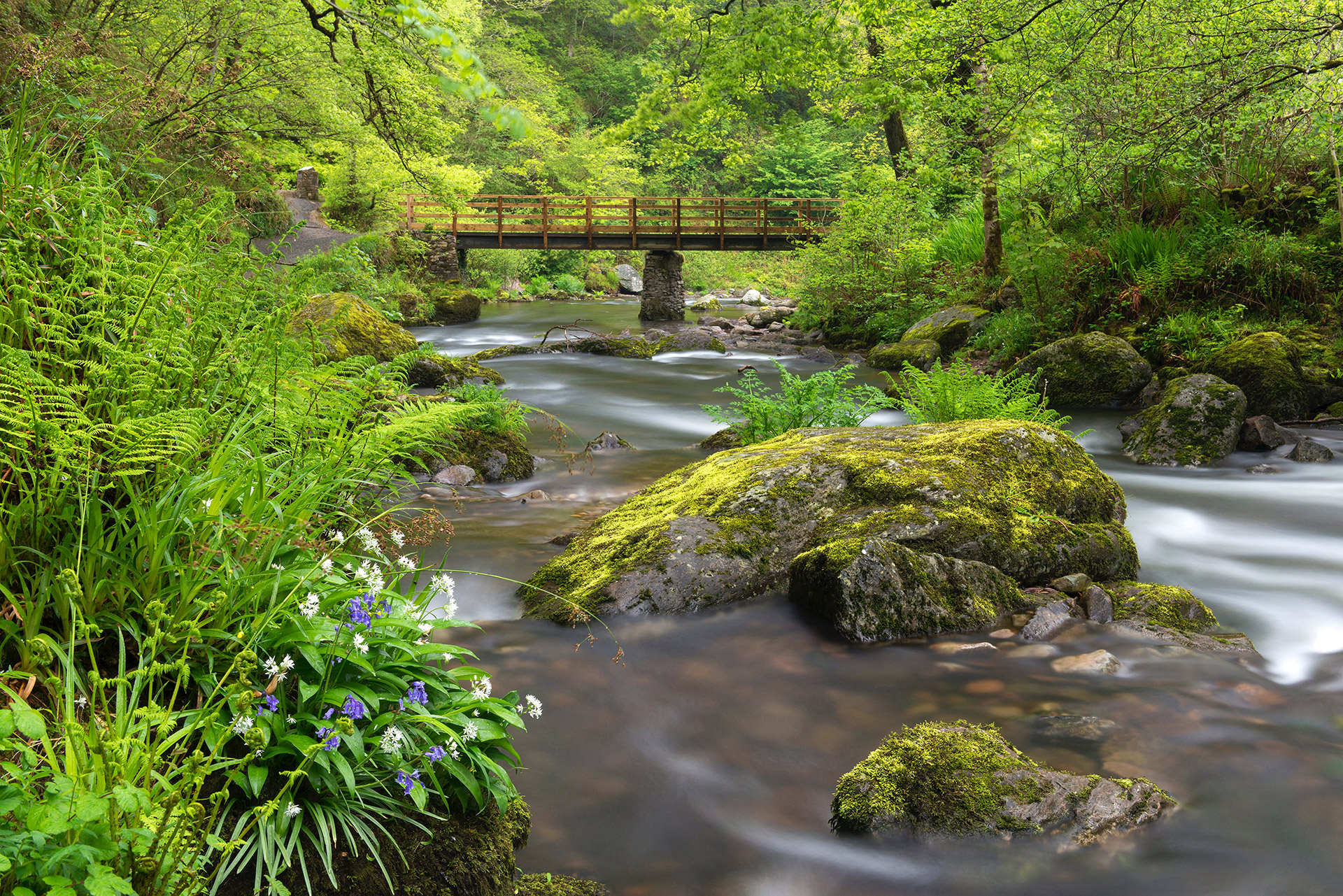
When using shutter Speed to record motion, it enables me to control how motion is recorded, e.g. slow shutter speeds will blur motion and fast shutter speeds will freeze motion. When using a slow shutter speed more light can enter the lens meaning less available light is needed for good exposure, e.g. 1/10th or slower. In contrast, using fast shutter speeds mean that less light can enter the lens which means that more available light is required for good exposure, e.g. 1/200 would be considered as a fast shutter speed. In response to this I plan to look at an artist that uses shutter speed to add blur to the motion of water when taking pictures of rivers, waterfalls, lakes etc.. I have already experimented with this myself in Shoot 4 by taking a picture of a small stream near me and blurring the motion of the water with a slow shutter speed.
Aperture
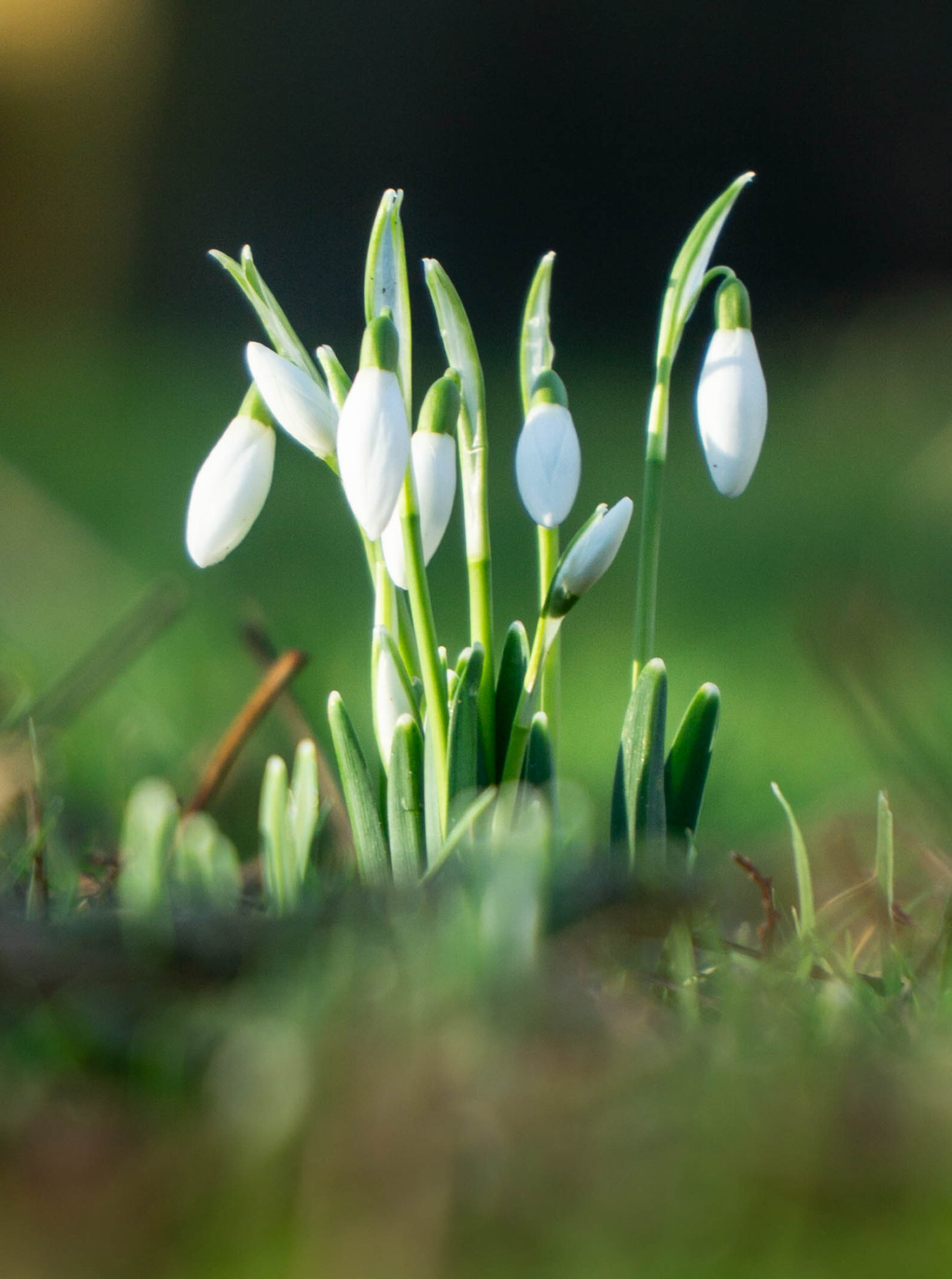
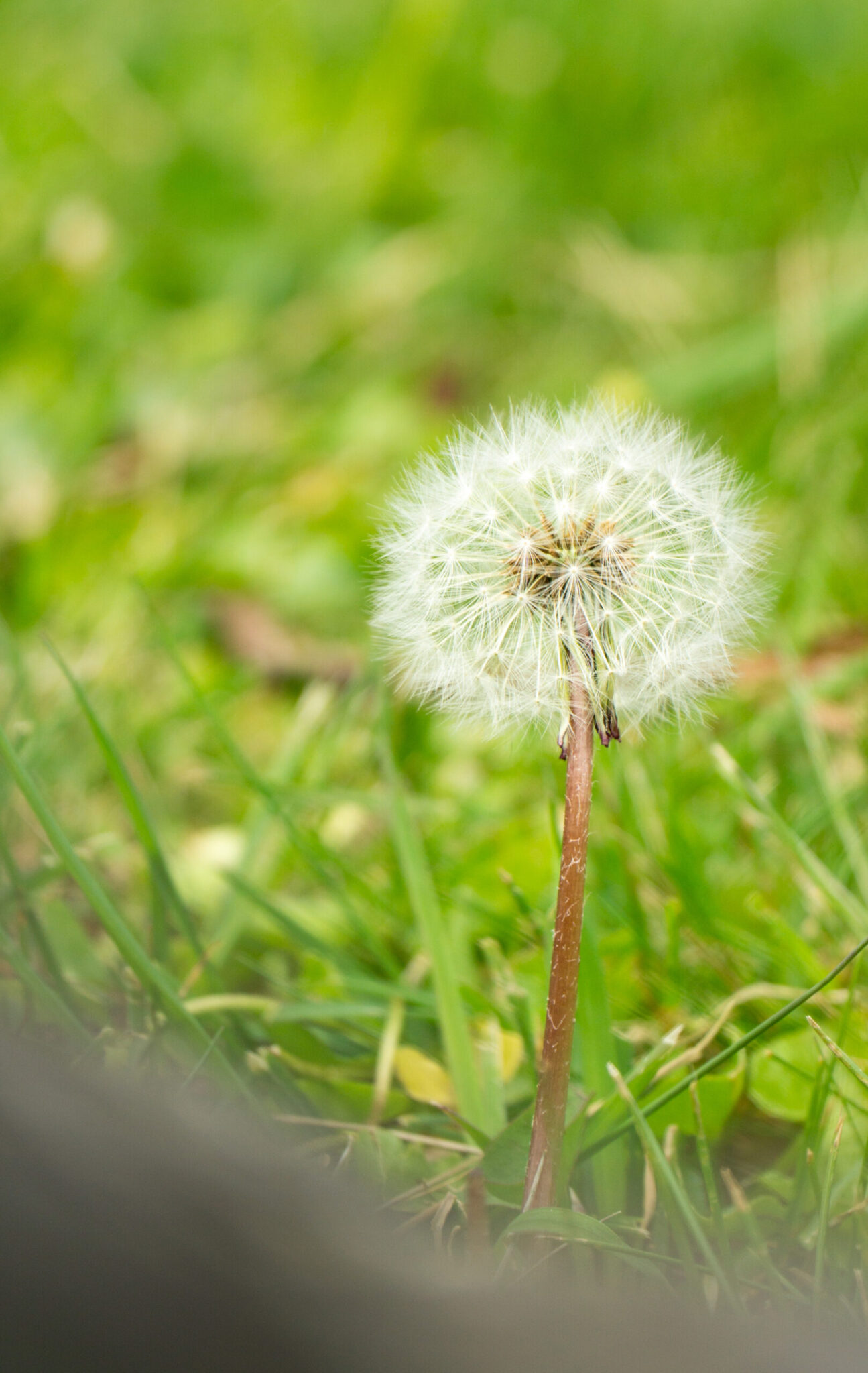
When changing the aperture it affects the focal range which means I can control the depth of field in which the distance the camera can focus. This helps to create points of focus, especially when using a wide aperture, e.g. f1.8 – 4, because it creates background blur and foreground focus. When wanting to record subjects in the distance I would use a large depth of field but anything longer than f16 would require a tripod. When using a wide aperture less light is needed, however, the higher the f stop more light is needed for good exposure. I have used depth of field to focus on flowers by themself and heavily blur the background. This can be seen in shoot 2 and 3.
ISO
ISO relates to how sensitive the camera’s image sensor is to light. When changing the ISO it affects the light and the amount of visible grain on the photograph. The higher the ISO, the more sensitive the camera sensor is to light, meaning less available light is needed for good exposure e.g. low light or night time photography. On the other hand, a low ISO means the camera is less sensitive to light which requires more available light e.g. a bright sunny day or when working in a well-lit studio. The lower the ISO e.g. ISO 100 means less grain will be visible, in contrast to using a higher ISO e.g. ISO 3200 where visible grain becomes apparent.
Lighting
During the whole period of my project I used all avaliable lighting, I did not use any added lighting in any of my frames. Most of my photographs used purely natural light from the sun while some like in my night shoot used lighting from street lights or peoples window light.
Focal Length
Focal length, represented in millemeters, is the basic description of a photofraphic lens. It is not a measurement of the actual length of the lens, but a calculation of an optical distance from the point where the light rays converage to form a sharp image of an object to the digital sensor or film at the focal plane of the camera.
The focal length tells us the angle of view – how much of the scene will be captured – and the magnification – how large individual elements will be.
The longer the focal length, the narrower the angle of view and the higher the magnification.
The shorter the focal length, the wider the angle of view and the lower the magnication.
Mood Board of Visual Ideas
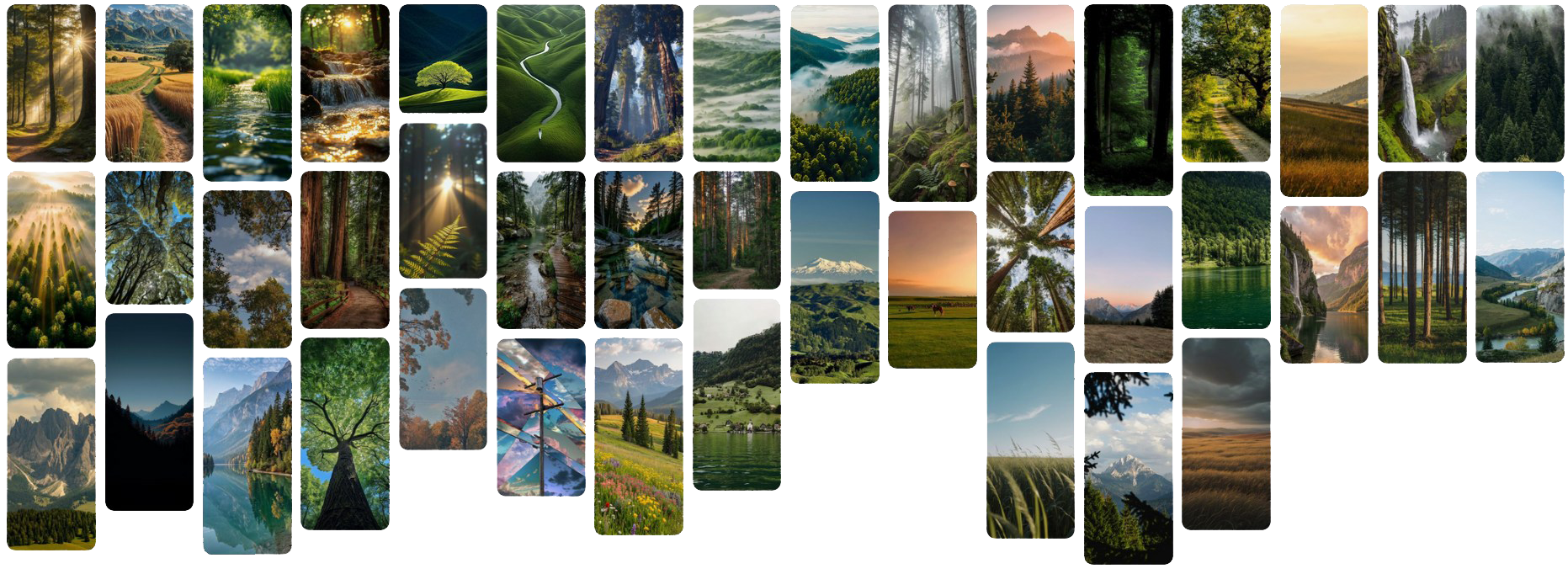
In my mood board I have chosen many images that inspire me for nature photography. Ranging from normal photography on the ground to aerial photography from a far. Nature is full of detail, detail that looks amazing when photographed correctly, this is why I have chosen these images for my mood board as they inspire me and impress me.
Nature is full of colour, this is clear in these images as they all pop off the screen with deep, rich colours. This is what I am aiming for, creating warm, vibrant images.`I am going to use avaliable light but also some artificial light to be albe to do light painting or highlight subjects of an image such as just a small flower in amongst many.
I will also be heavily focused on composition, as many of these images have strong composition that guide the viewer to the subject of the photo naturally.
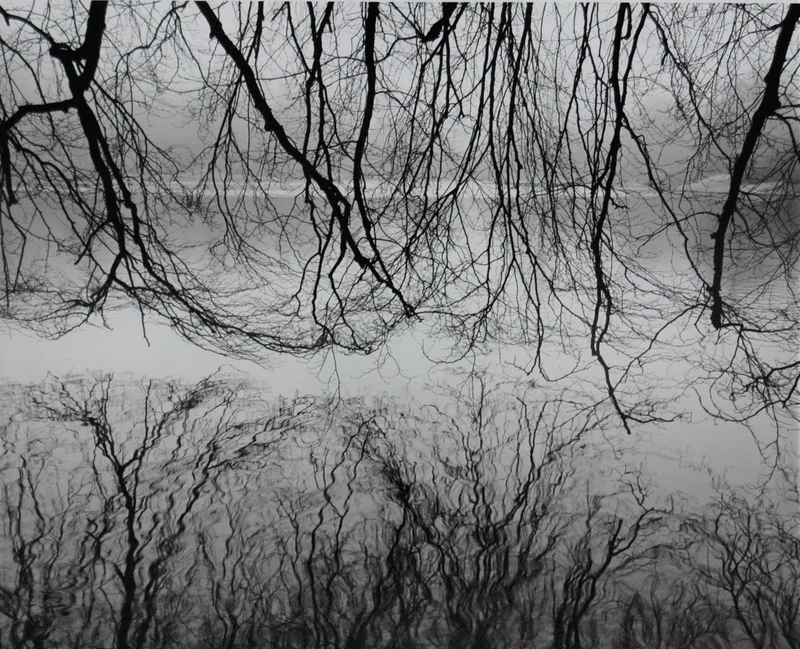
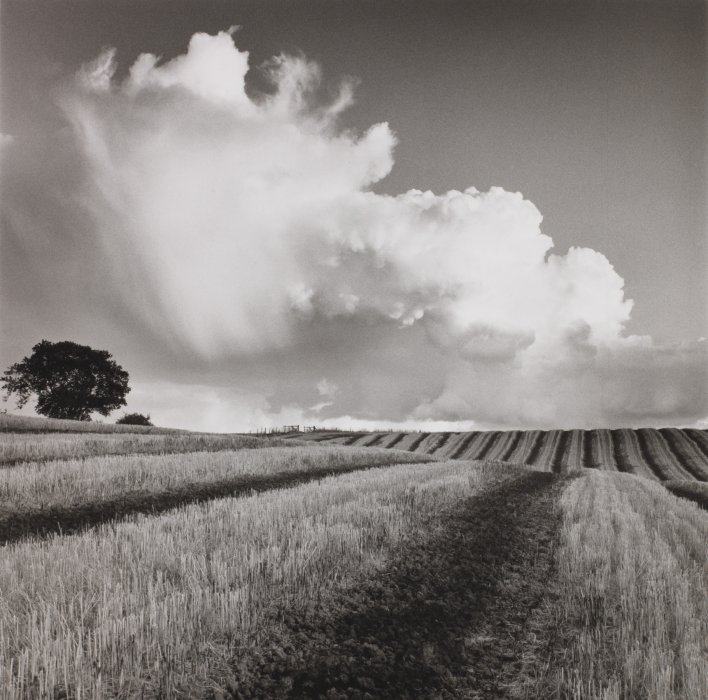
Artist – Fay Godwin
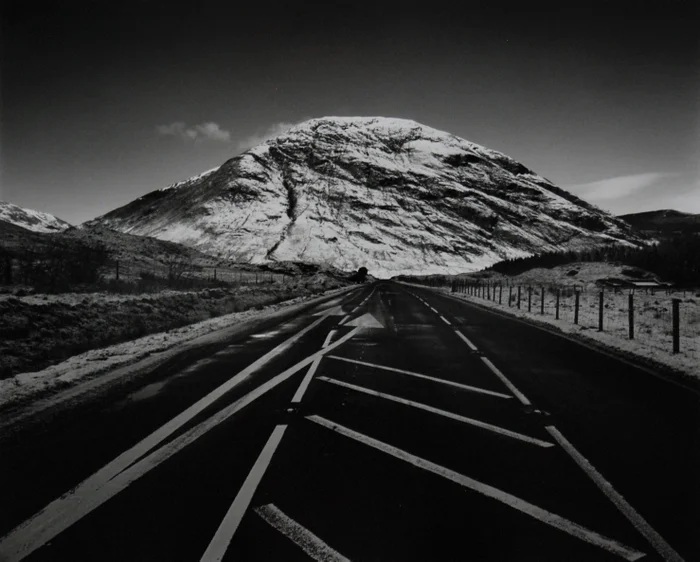
Fay Godwin (17 February 1931 – 27 May 2005) was a British photographer known for her black-and-white landscapes of the British countryside and coast. She is a self-taught photgrapher, which is amazing given the work she produced. Fay began in the mid-1960s, initally by taking family photos and portraits before then later moving into her forever passion of landscapes.
However, in the 1970s and 80s she took to taking portraits of writers in their homes. For example, figures like; Kingsley Amis, Angela Carter, Philip Larkin, Doris Lessing, Ted Hughes, and many others. One of her best known writing collaborations is working on Remains of Elment (1979) with poet Ted Hughes and many others after that.
In the 1990s she took a fellowship at the National Museum of Photography, Film and Televsion in Bradford, England. This pushed her towards experimenting with colour and urban photography work. Later in life she also worked on close-ups of natural forms, publishing Glassworks & Secret Lives in 1999
She was recognised and holds a legacy in many ways, including but not limited to; having a major retrospective at the Barbican Centre, London, in 2001, being awarded a honoray fellowship of the Royal Photographic Society in 1990. She also had a massive archive of about 11,000 exhibition photographs, studio contents and correspondance – these were donated to the British Library. She was also a key activist in the early 90s to early 00s for public land access, being president of the Ramblers’ Association (1987-1990) and being a vocal campaigner for public access to land. Her activisim links to the legislation passed because of her help, such as the Countryside and Rights of Way Act 2000 and the Land Reform (Scotland) Act 2003.
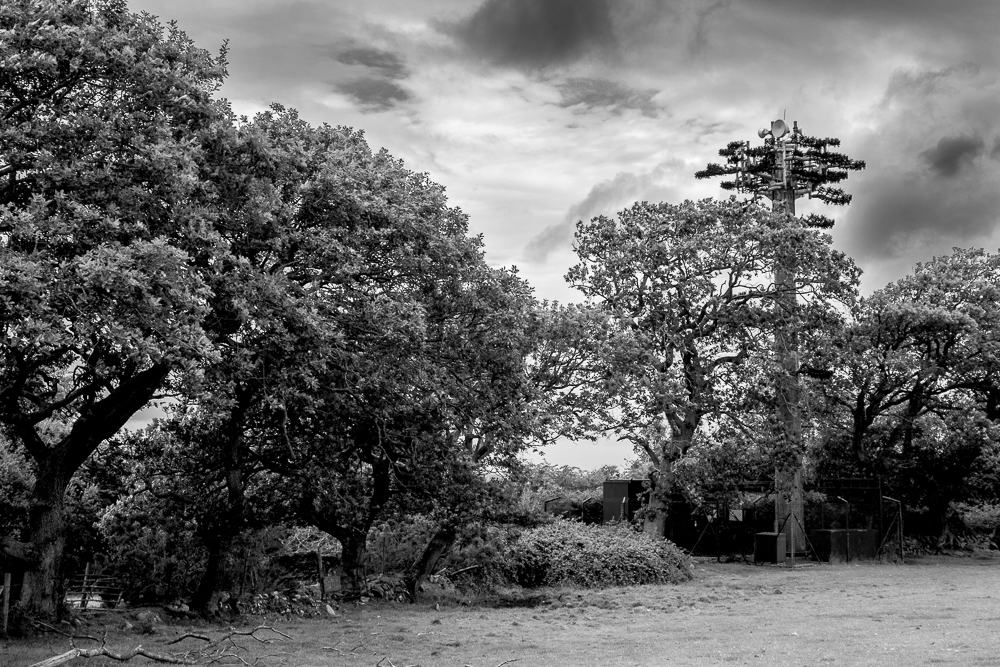
Her photography style, was high tonal range Black and White. She also often uses a small aperture – f8+ – to help keep the entire photograph in focus helping the viewer place themselves in the shot. She also loved to use leading lines and forground elements to help frame the rest of the shot and provide scale and texture. She also waited for the right lighting, finding a balance of moody and keeping the contrast between the land and the skies, not shying away from conditions that are less than ideal. She often includes man made structures in her work, like walls, fences, signs and industrial artifacts. Not to link them to nature but to show tension between the natural world and man made things, showing the beauty of nature being damaged by man made structures. She always waited for the land to “speak” to her and her camera.
Artist – Adam Burton
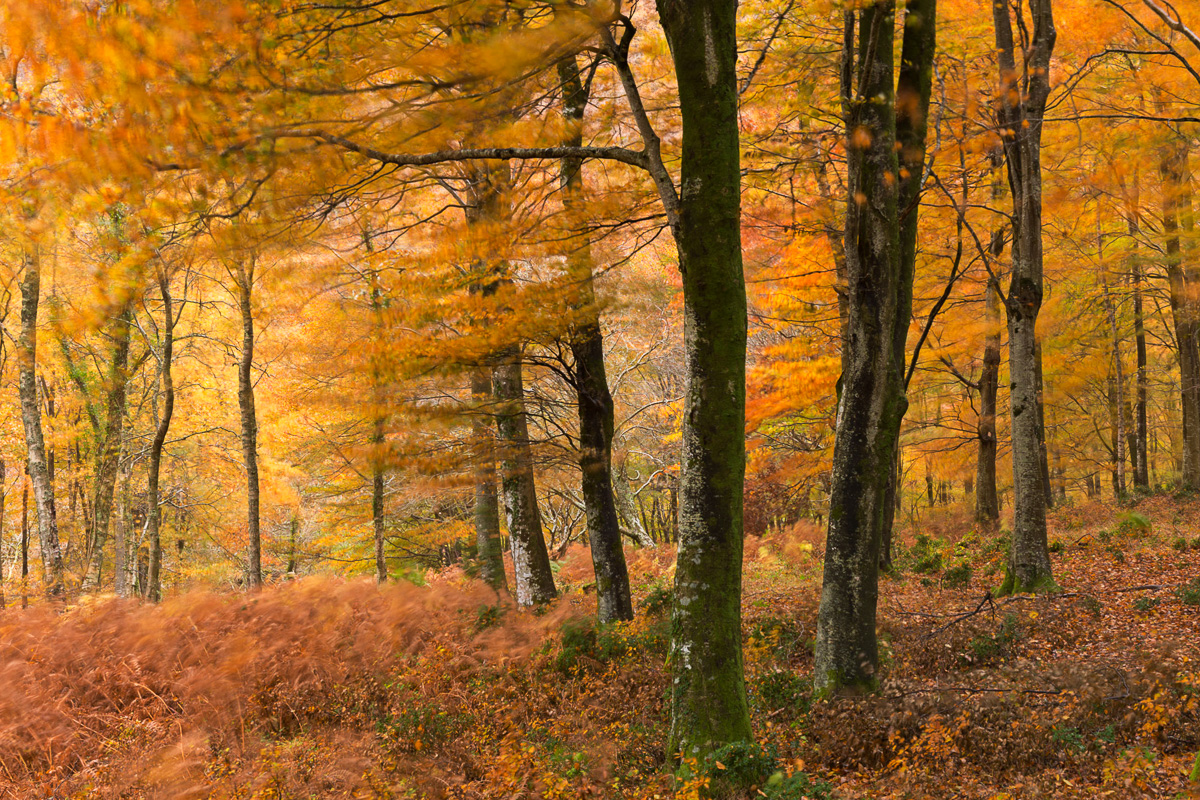
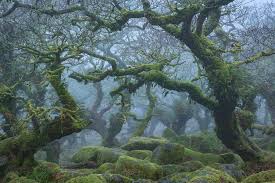
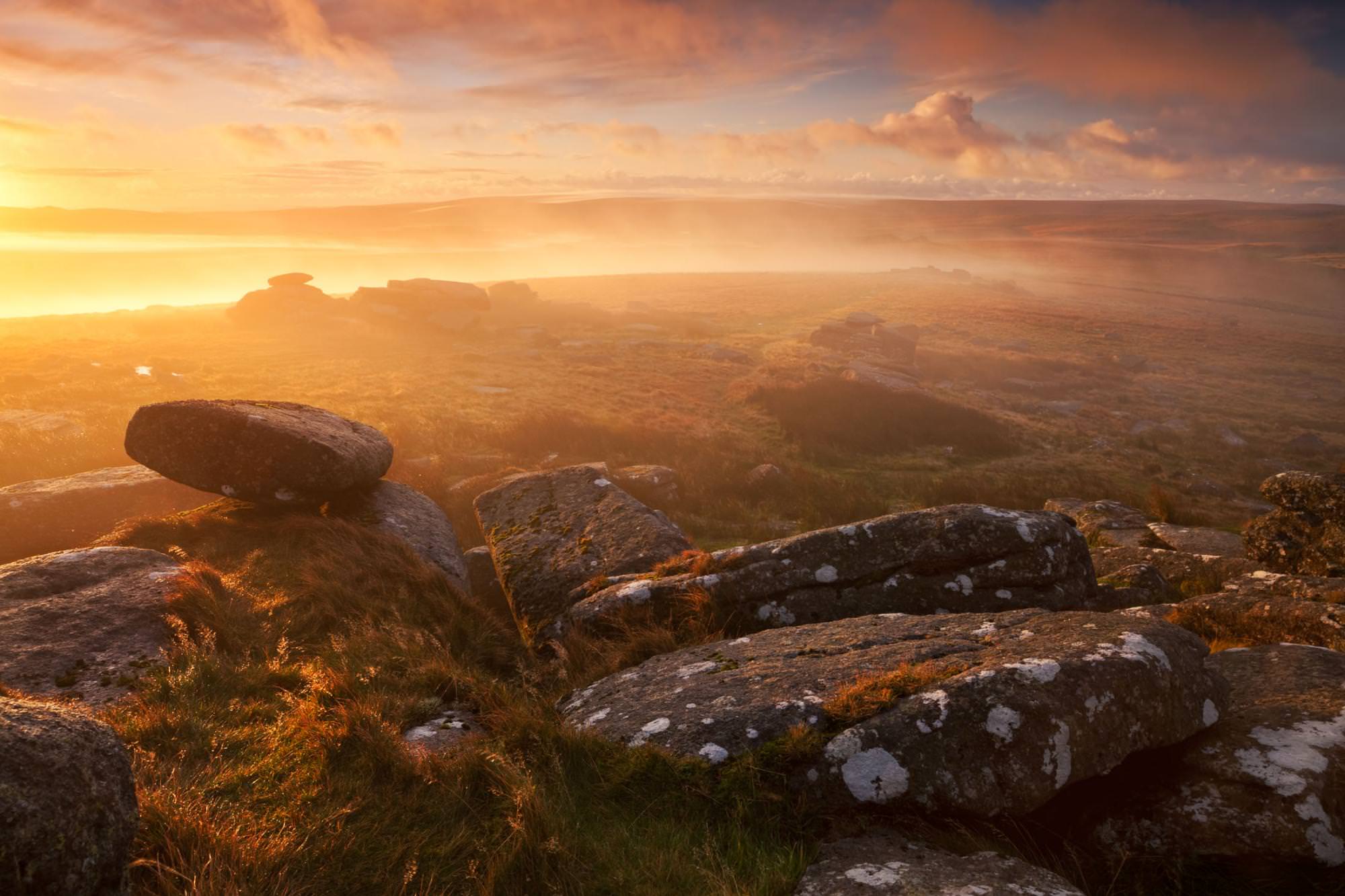
Adam Burton is a landscape photographer, teacher and author with nearly 20 years of experience in the landscape photography industry. He works particularly in the South West of England. He is entirely self-taught and his style has organically developed over time into what it is today; unique, powerful imagery with vivid beautfiul colours. He has worked for many companies including National Geographic, Ford and The AA.
His work is often taken during atmospheric, colour rich times of the day. Using the avaliable mist to help add depth and mystery to his large landscape photos.
Artist – Manny (Manfred Teh)
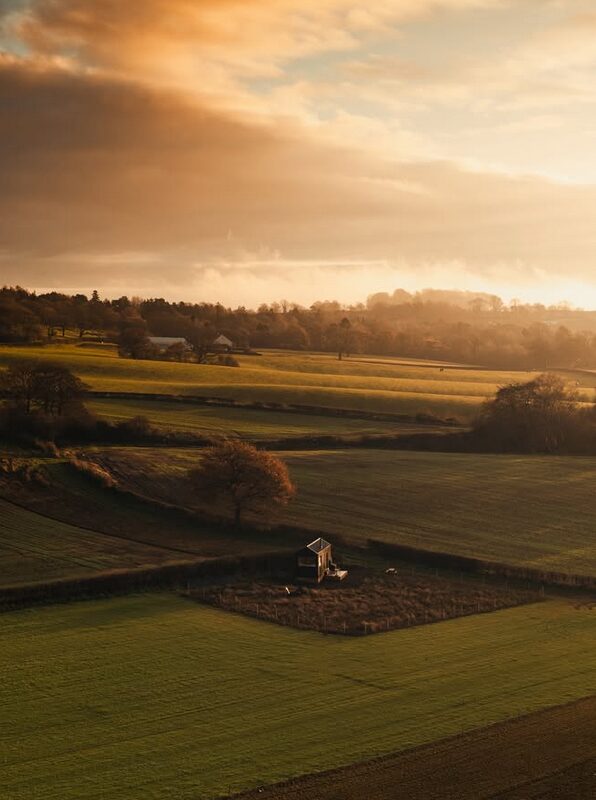
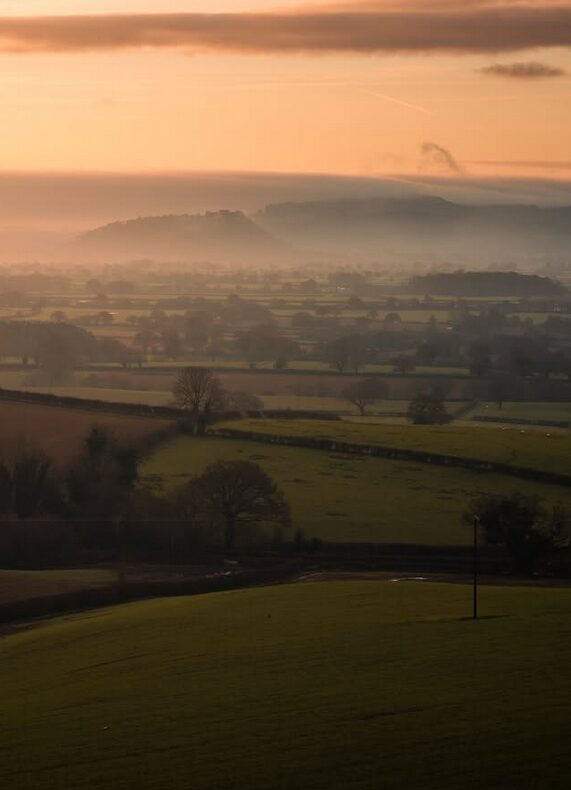
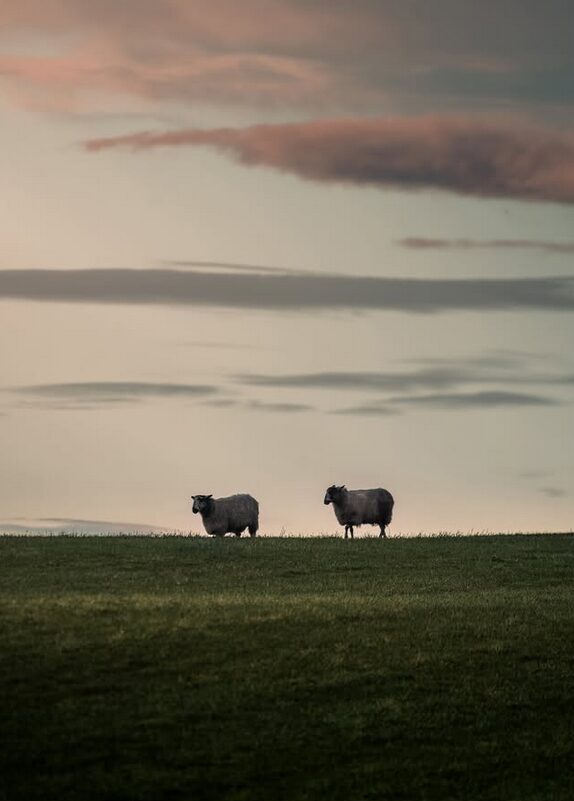
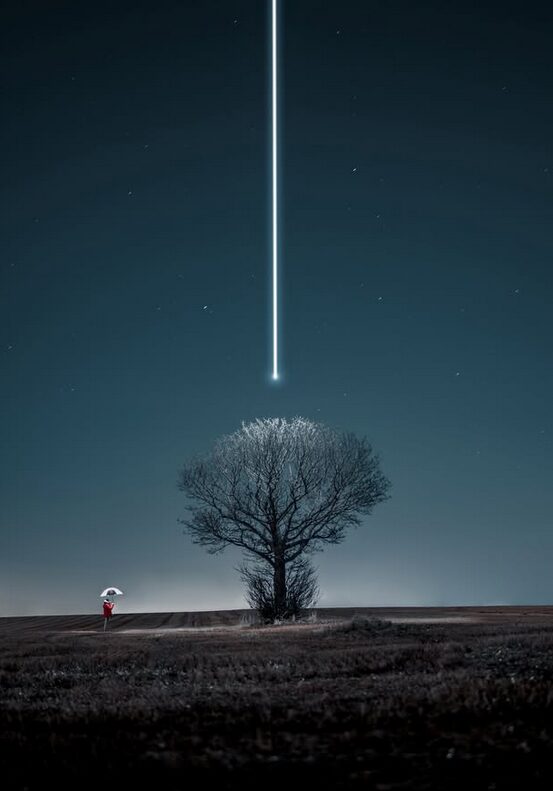
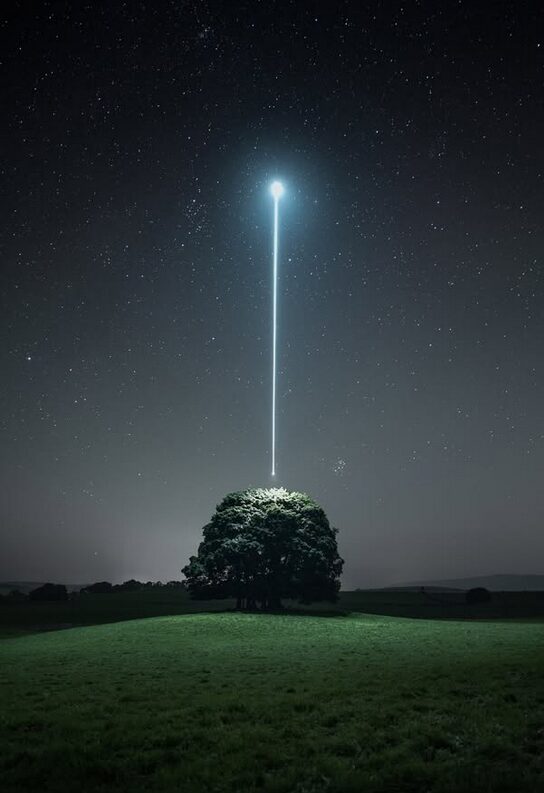
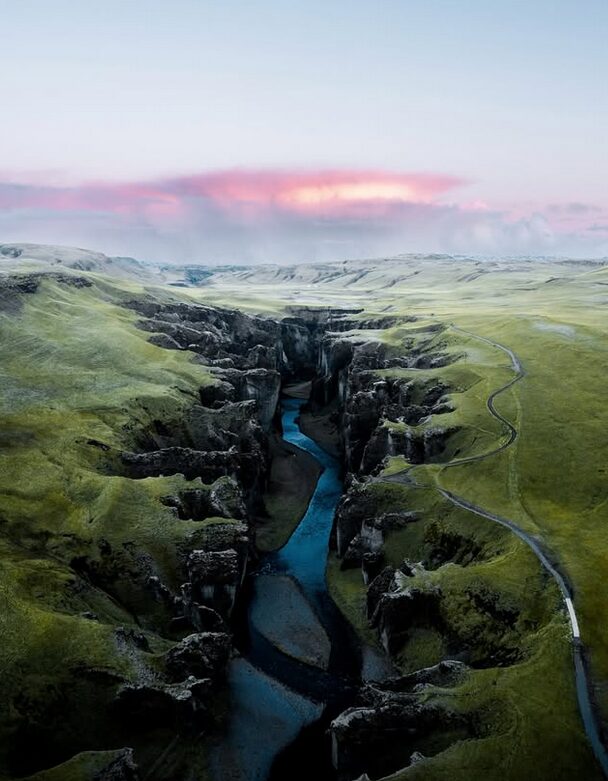
Manny is a photographer based in Leeds, United Kingdom. He uses a lot of light painting in his images, but also has a very unique and stunning editing style. His editing gives a warm feel to his images and in others a cold and mysterius feel. A lot of his photography is done by a drone, creating a unique perspective on the nature around him, a birds eye view.
Gallery Reference
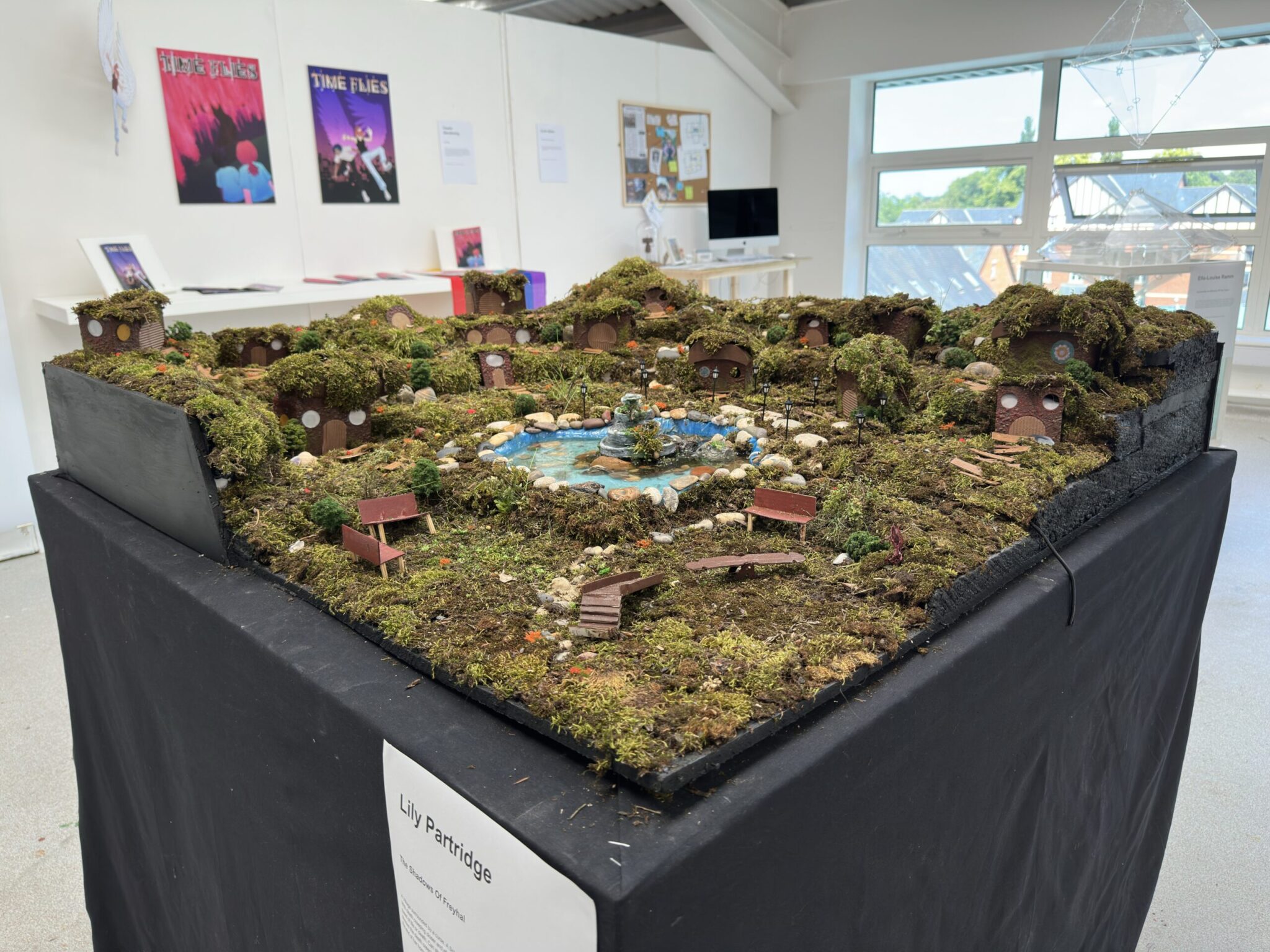
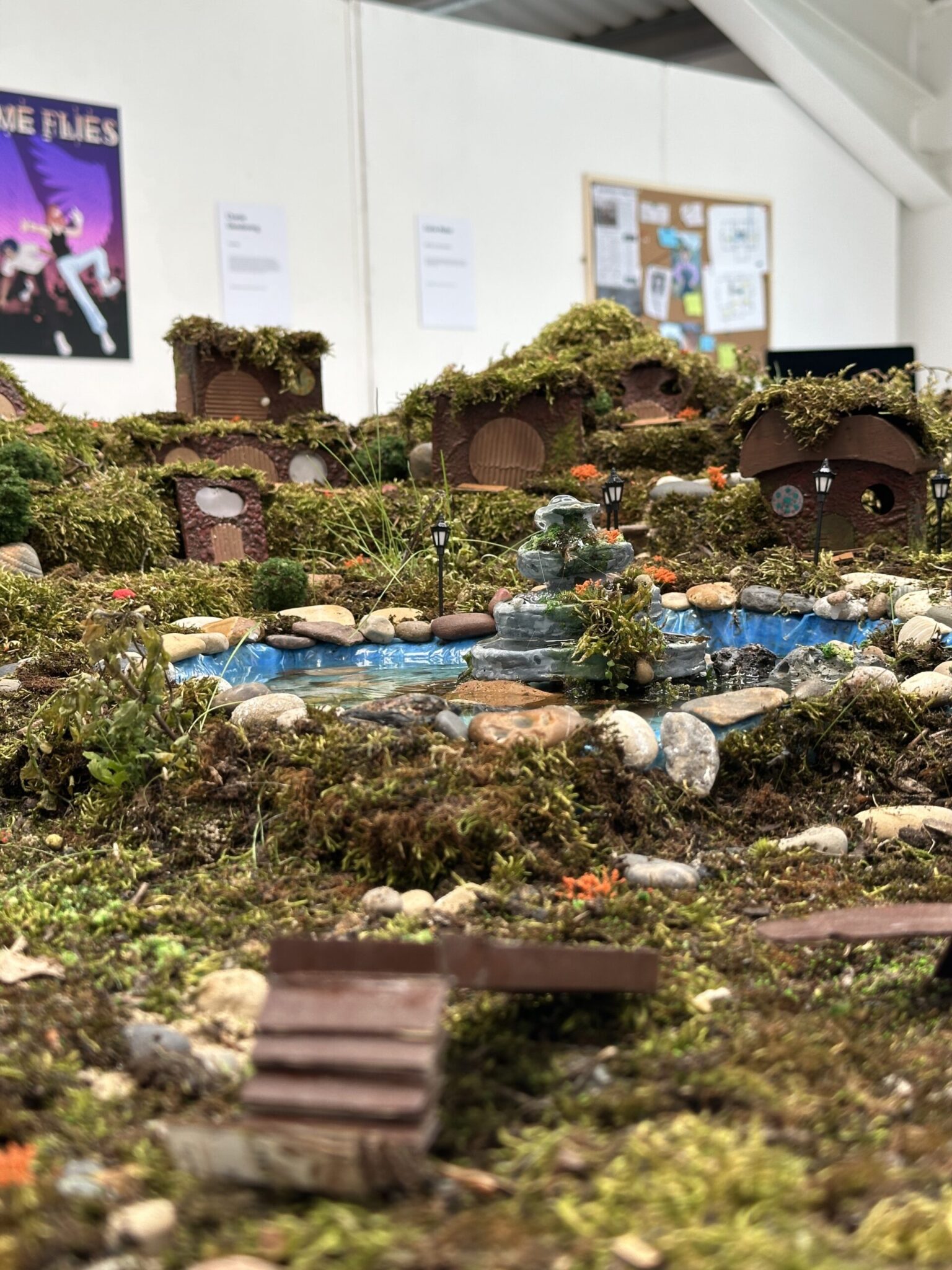
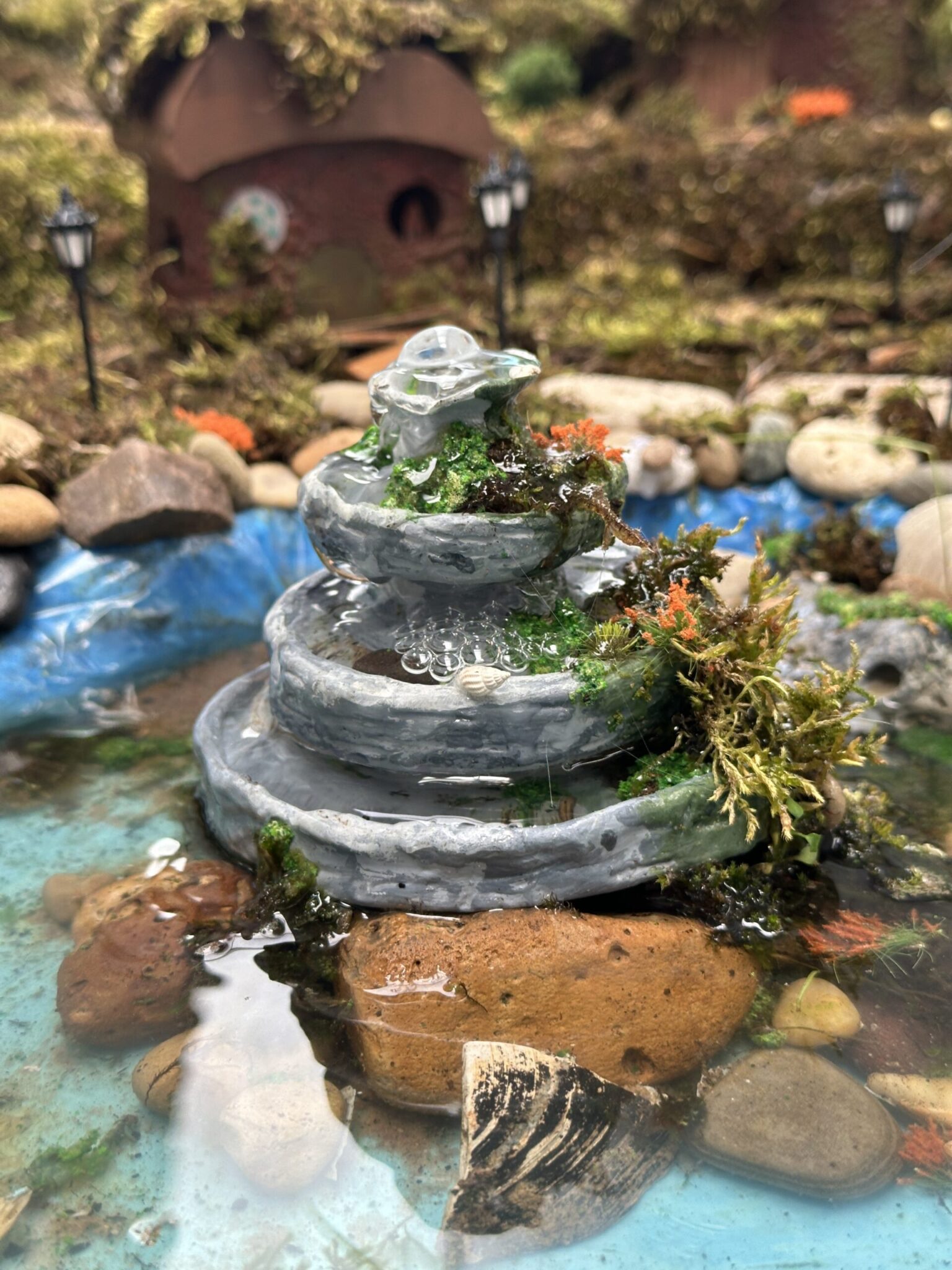
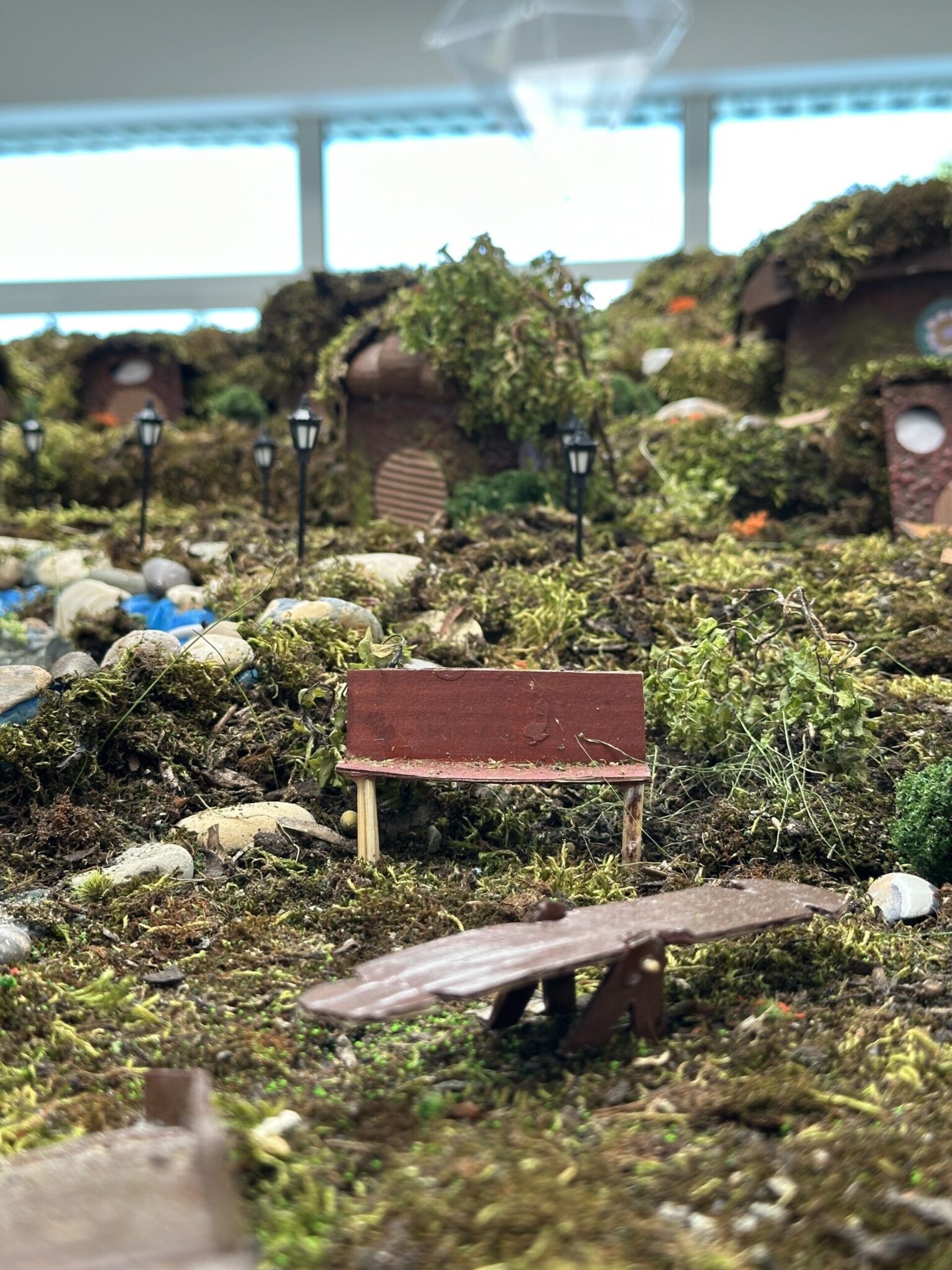
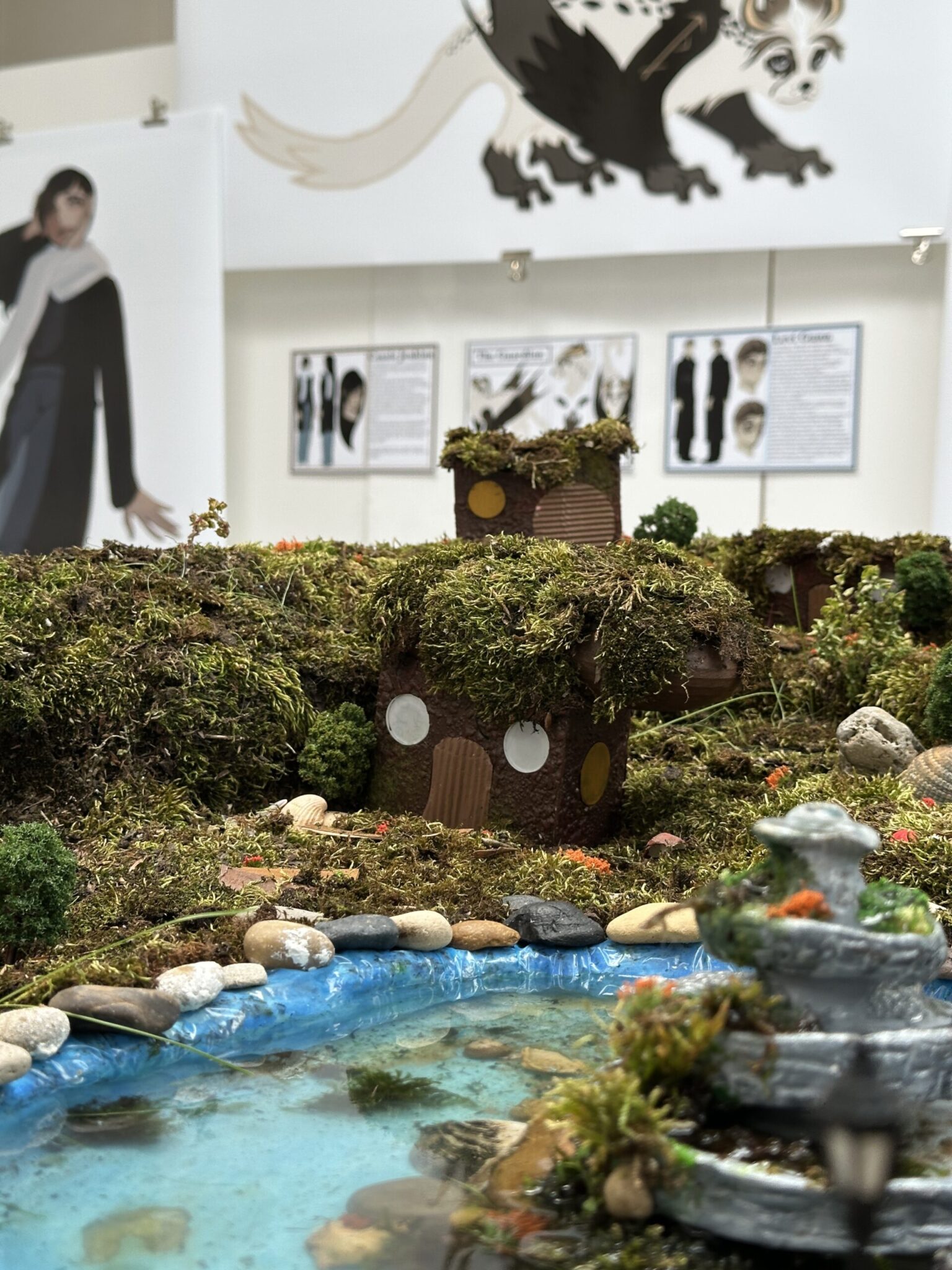
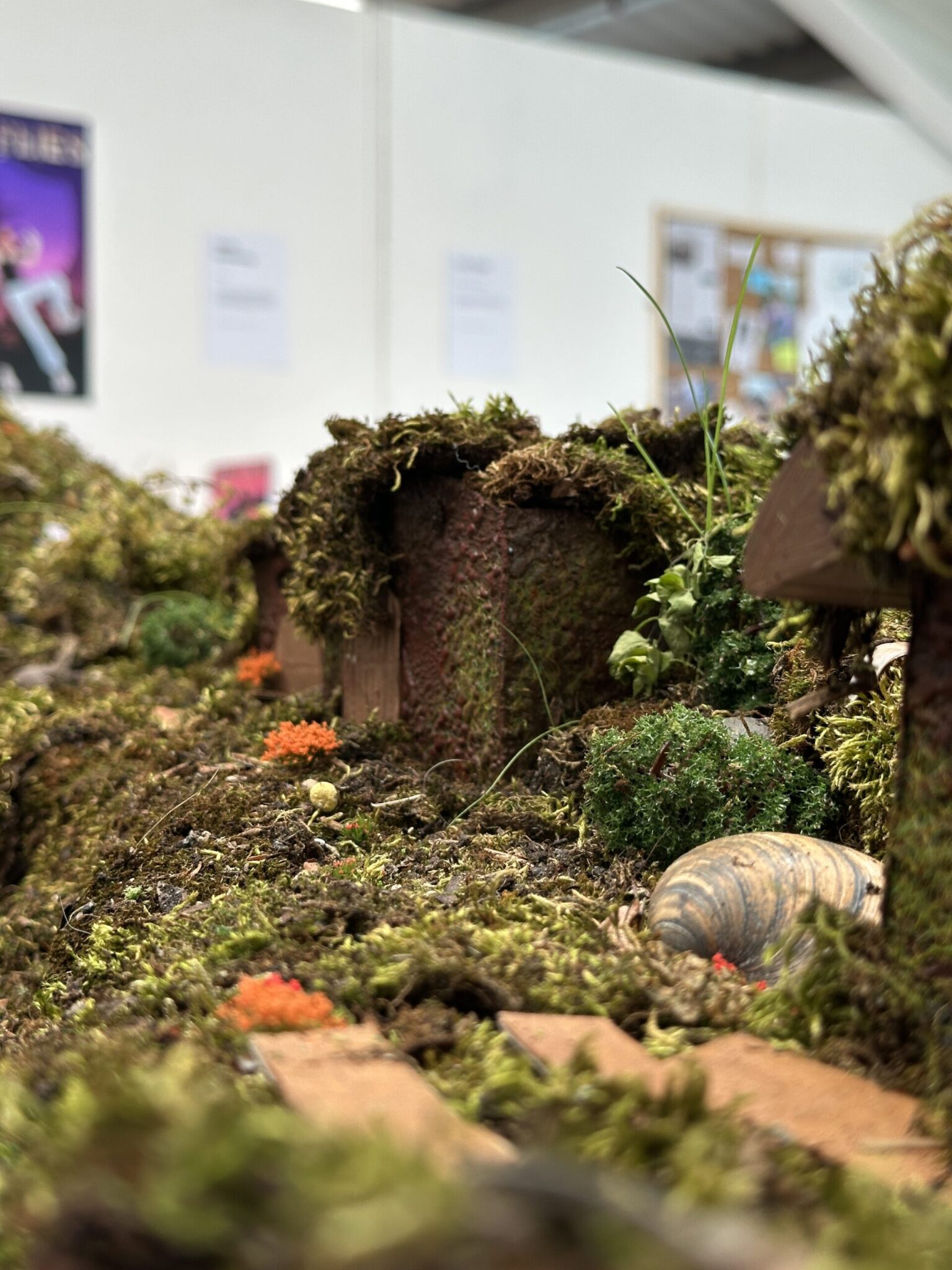
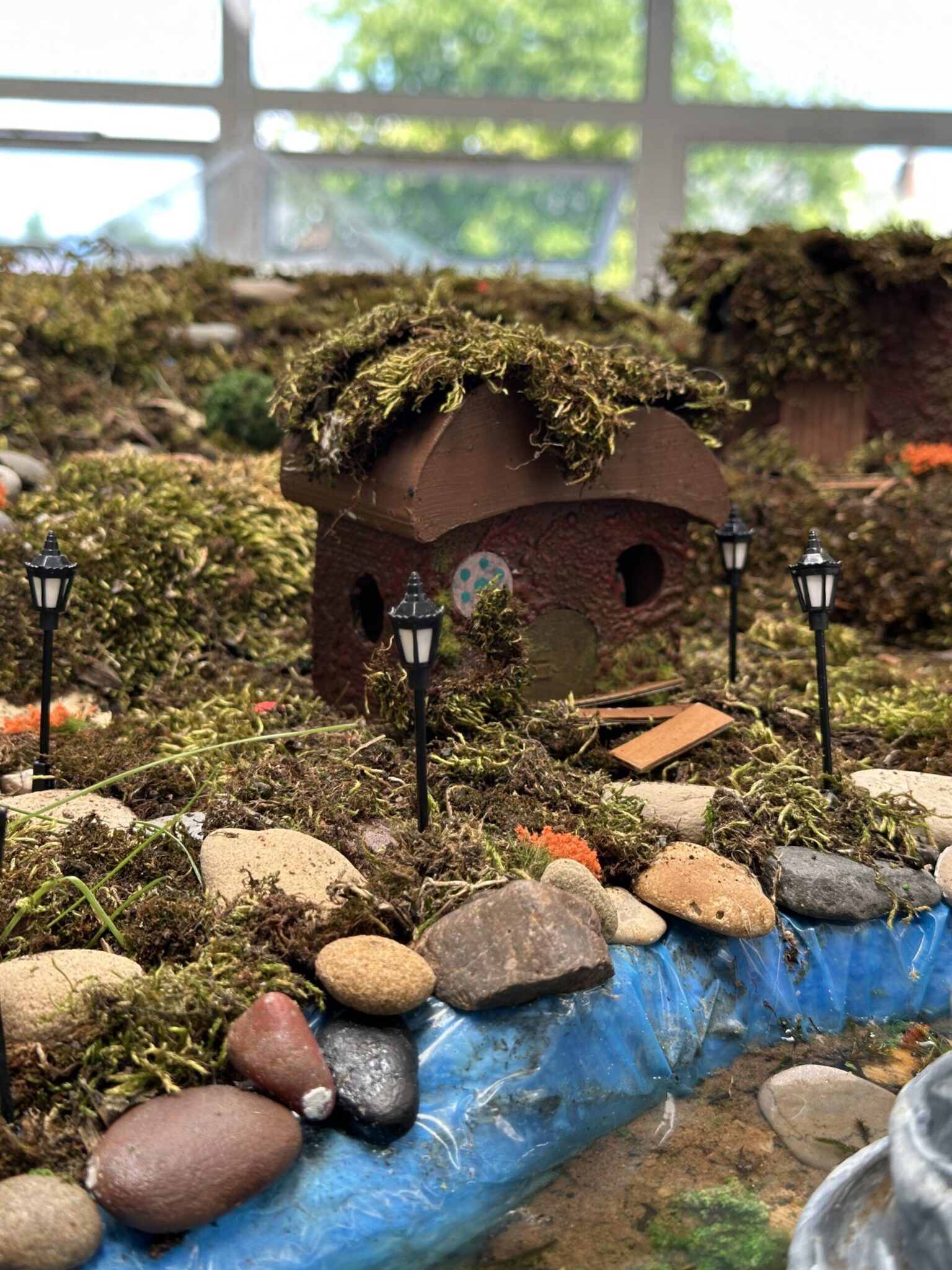
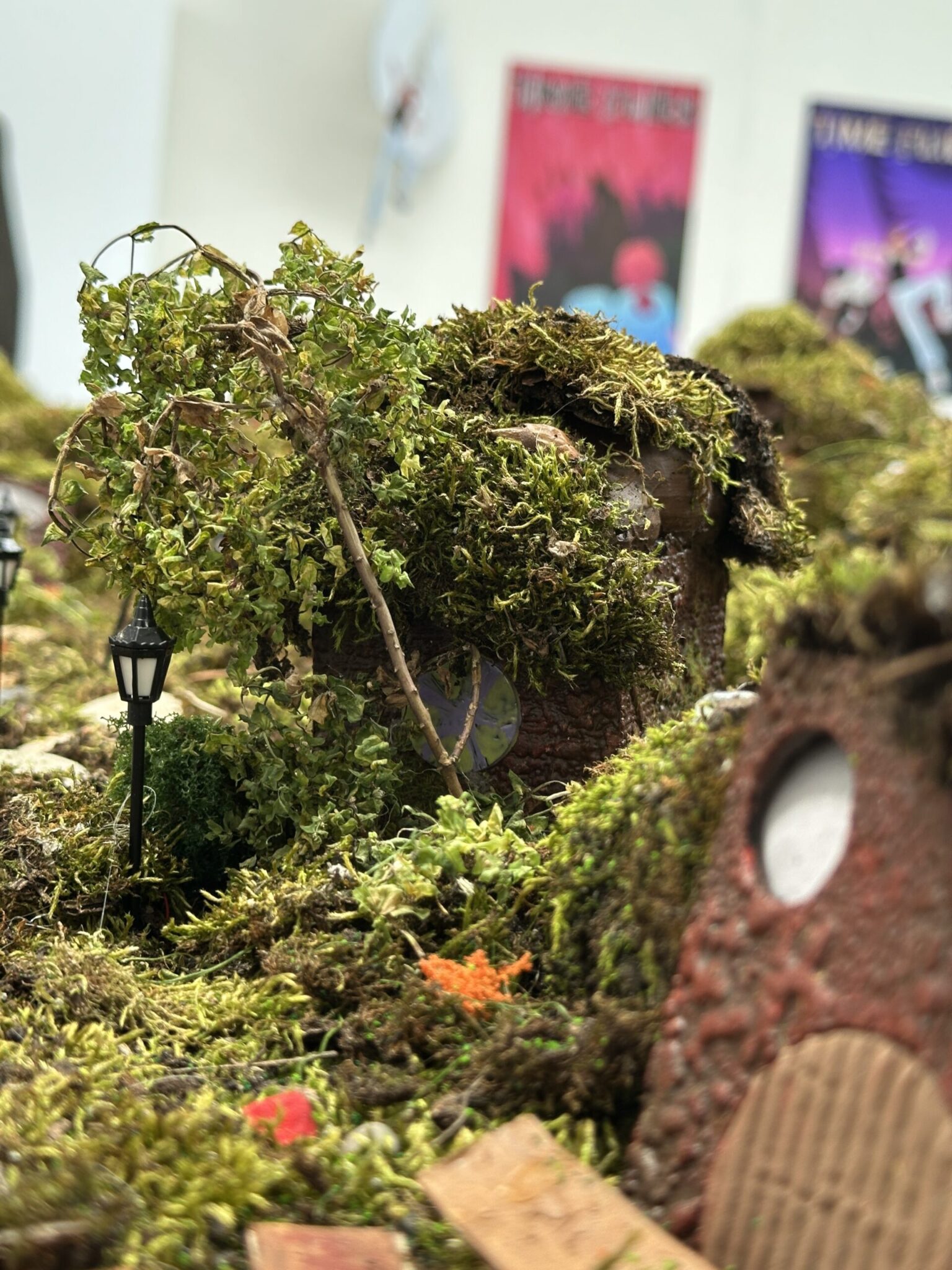
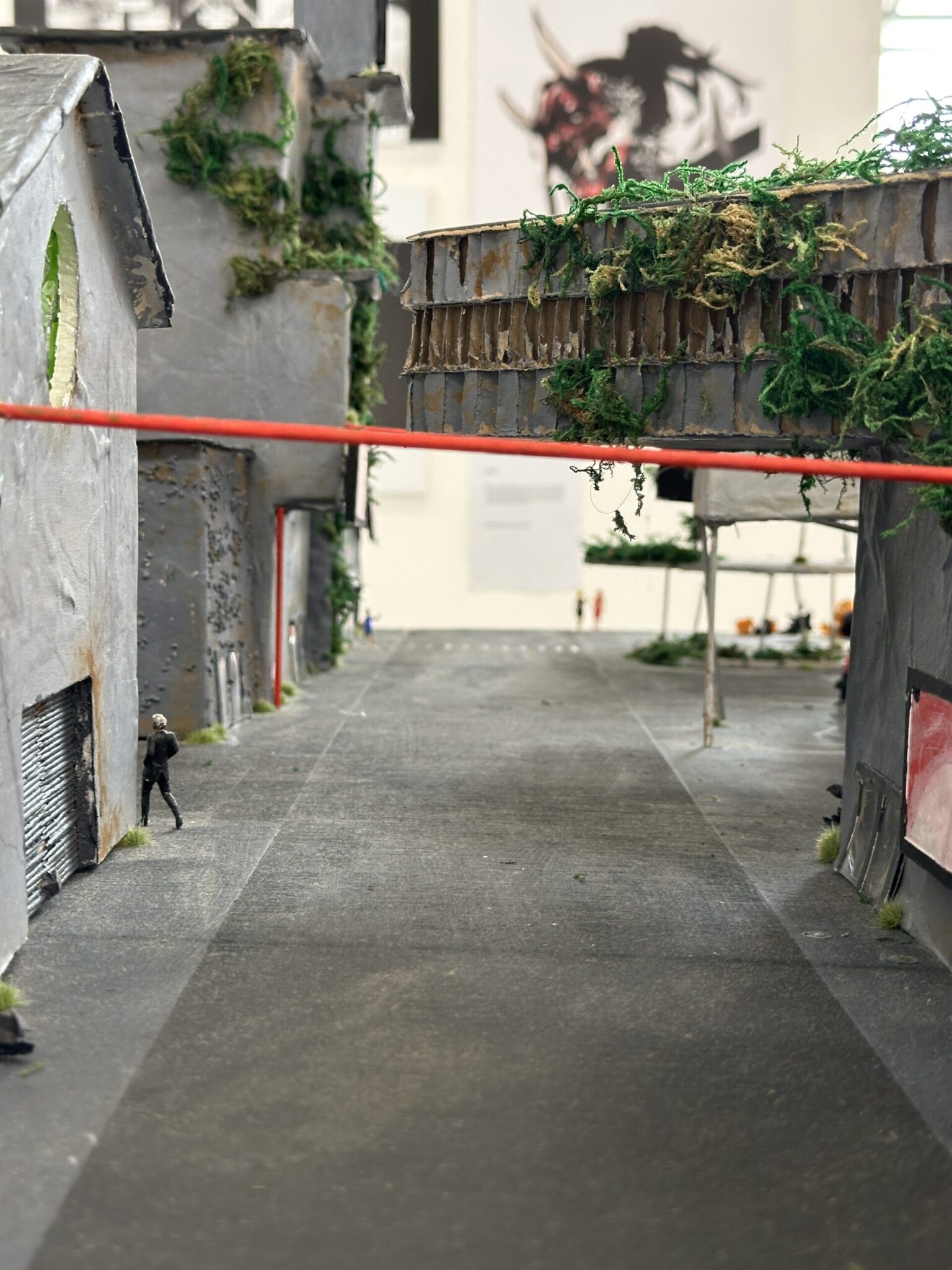
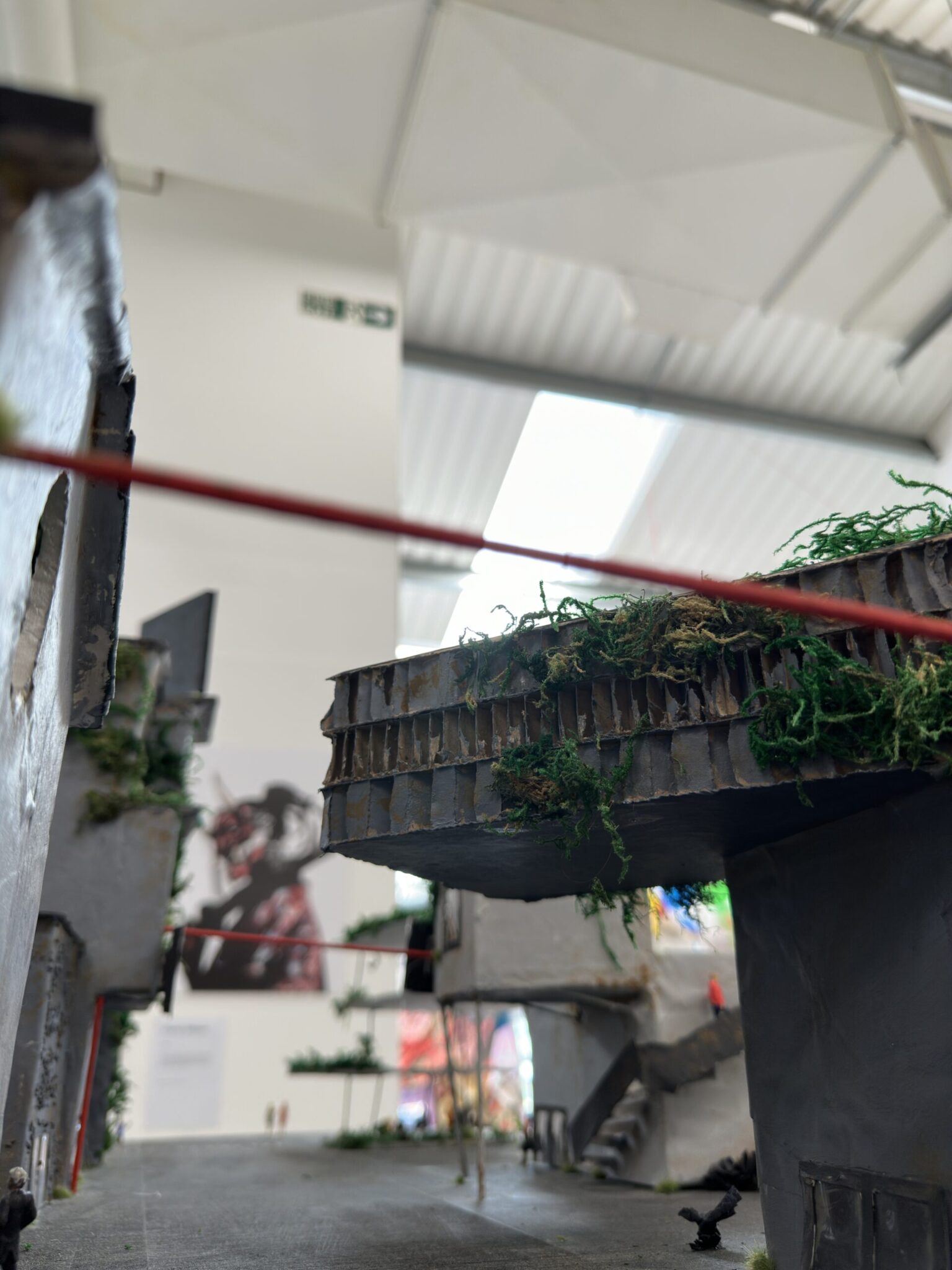
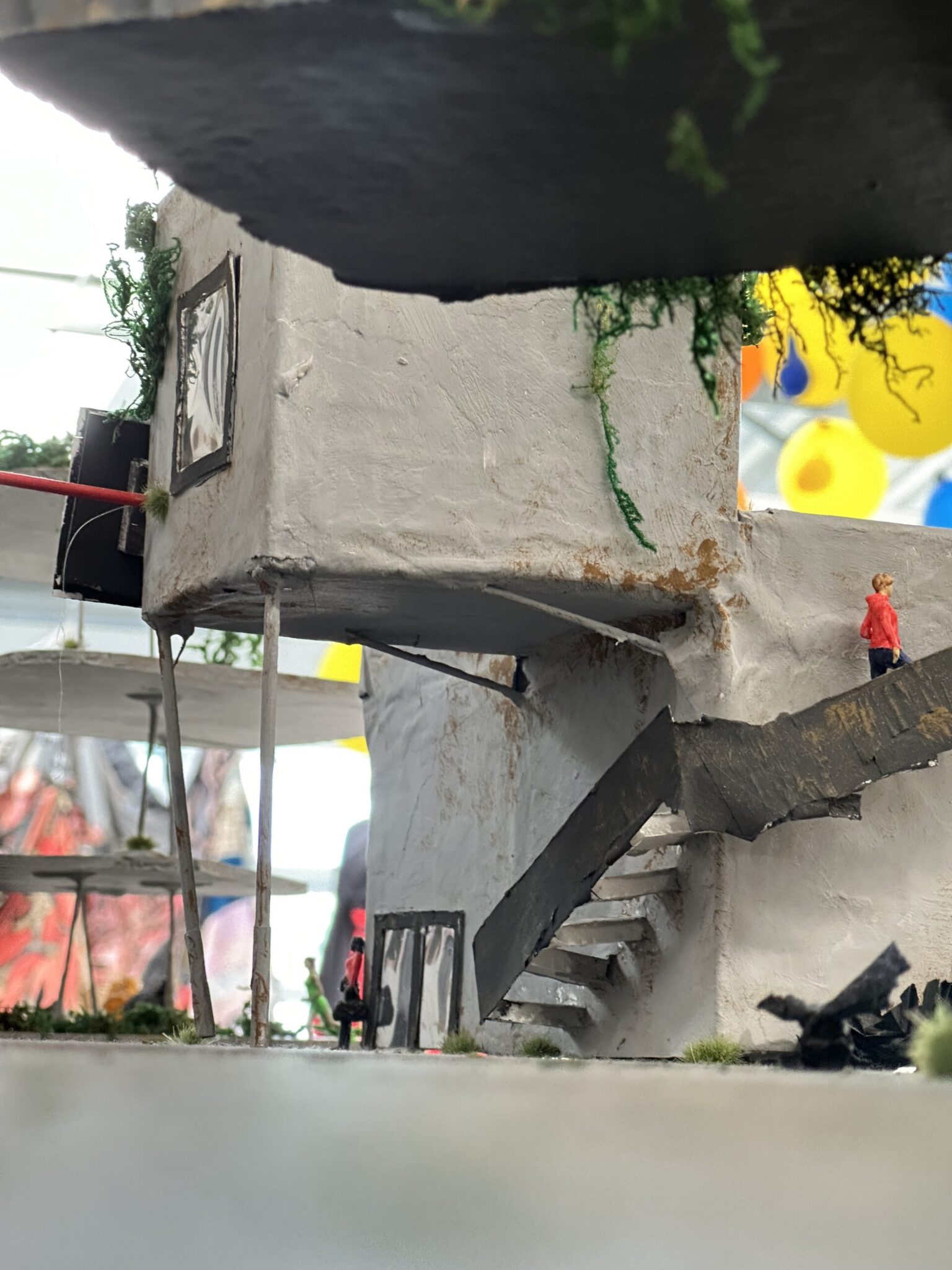
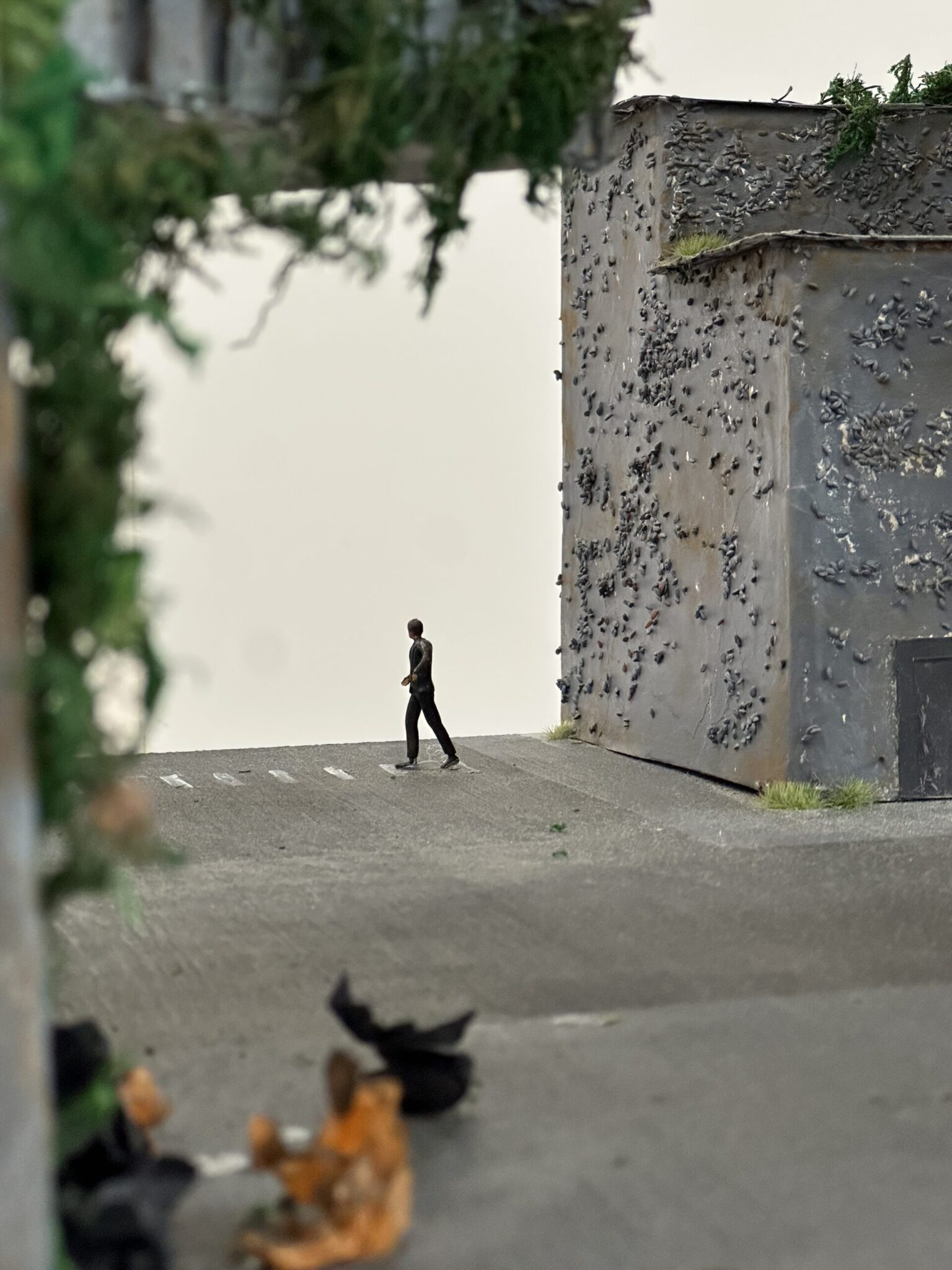
Some of my fellow students in my college had made art displays for an event, so I went up and took inspriation from different peices. I particully liked this village style peice, and gave me lots of inspiration for blending nature with human made structures which can be seen in my first shoot.
Next was someone elses peice which took an urban city area and put nature in places where it shouldn’t be.
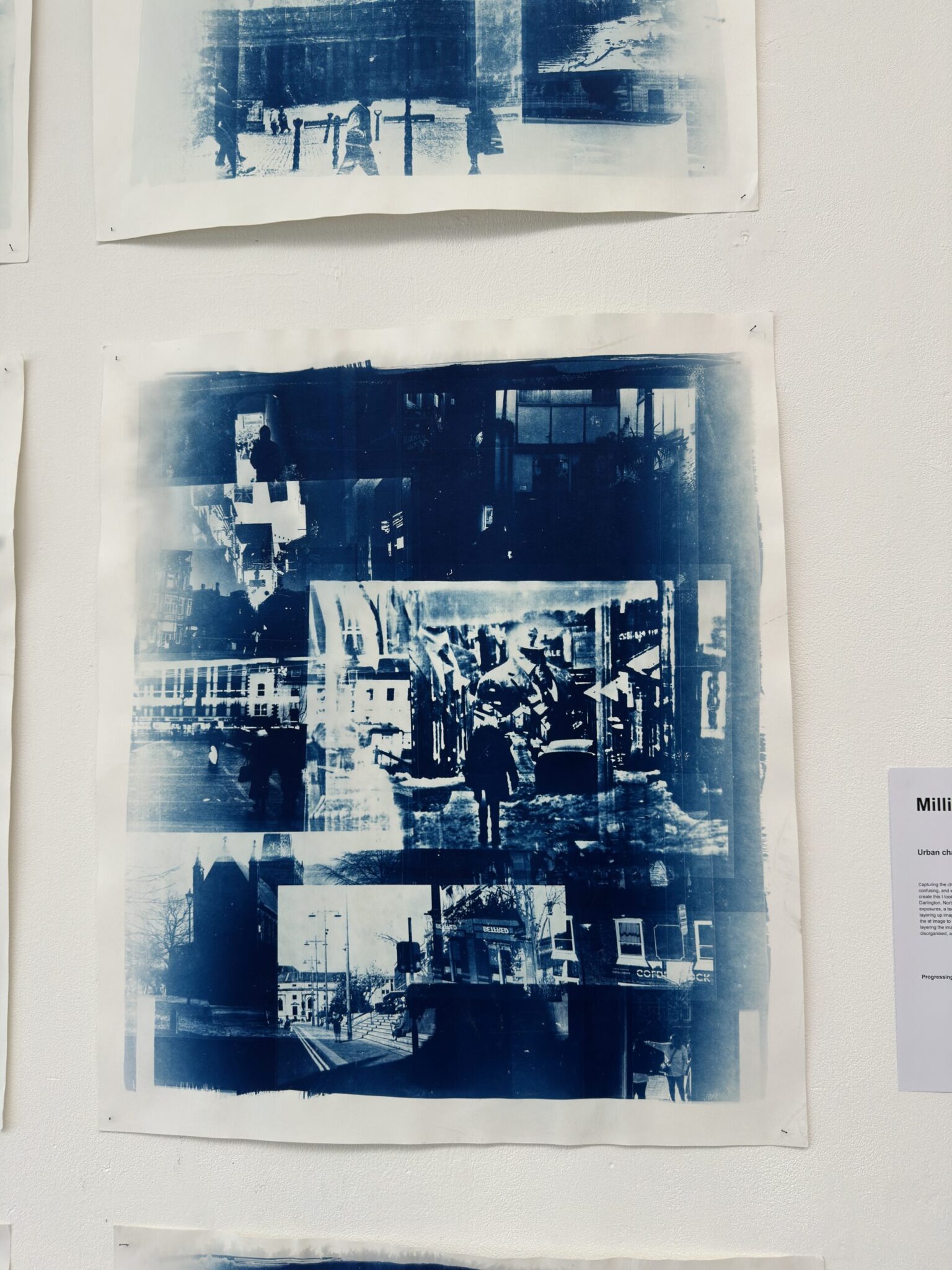
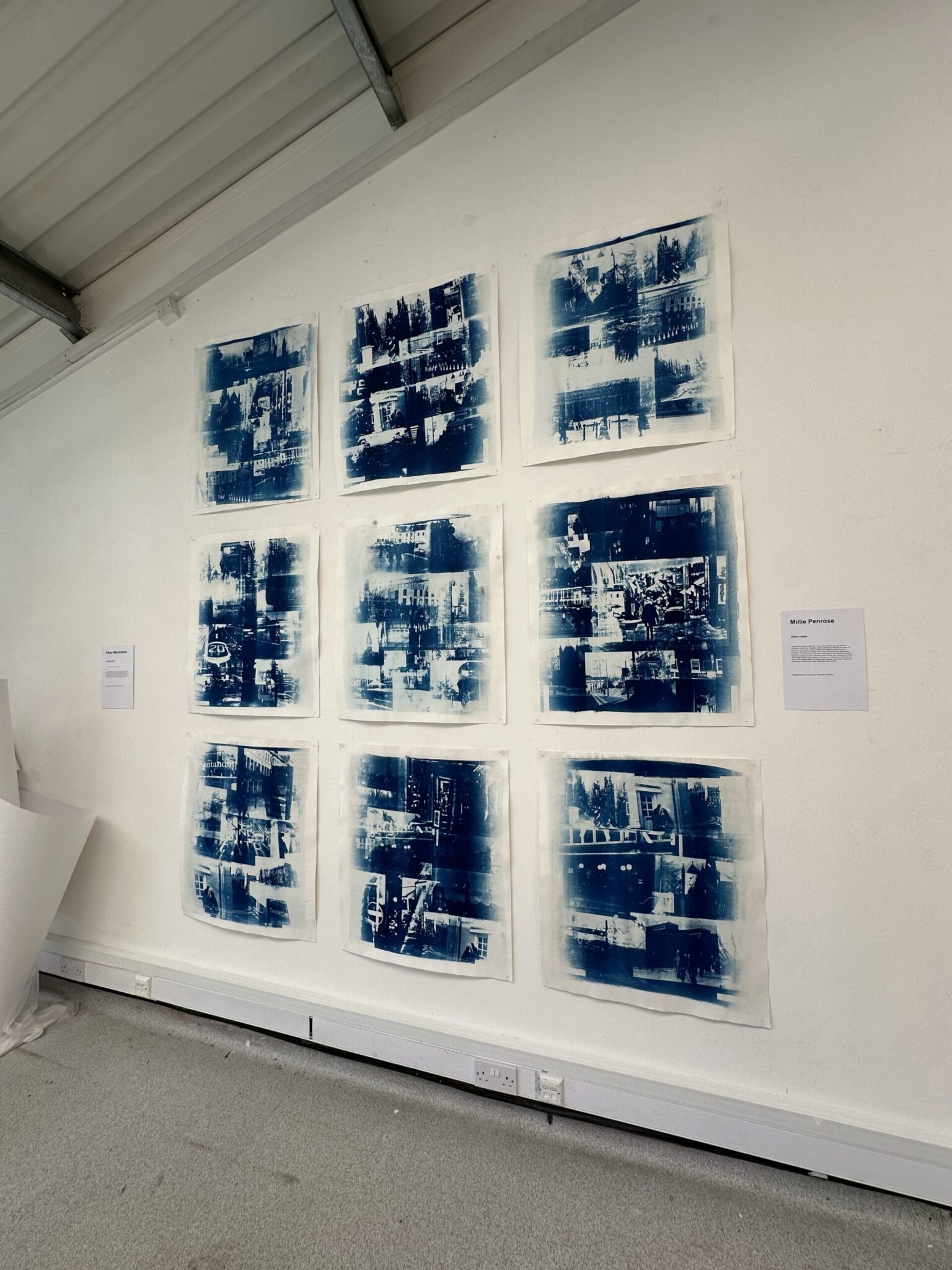
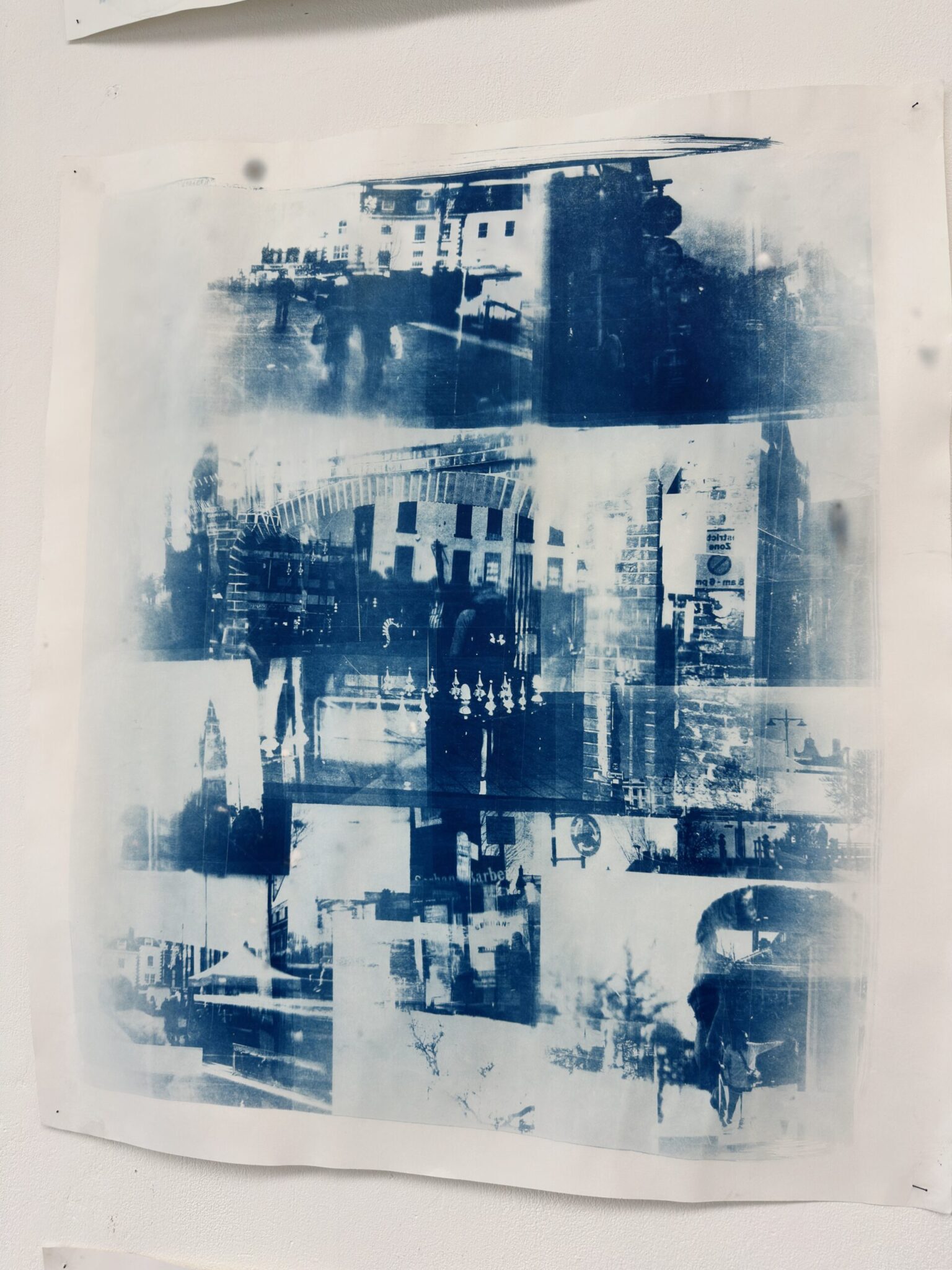
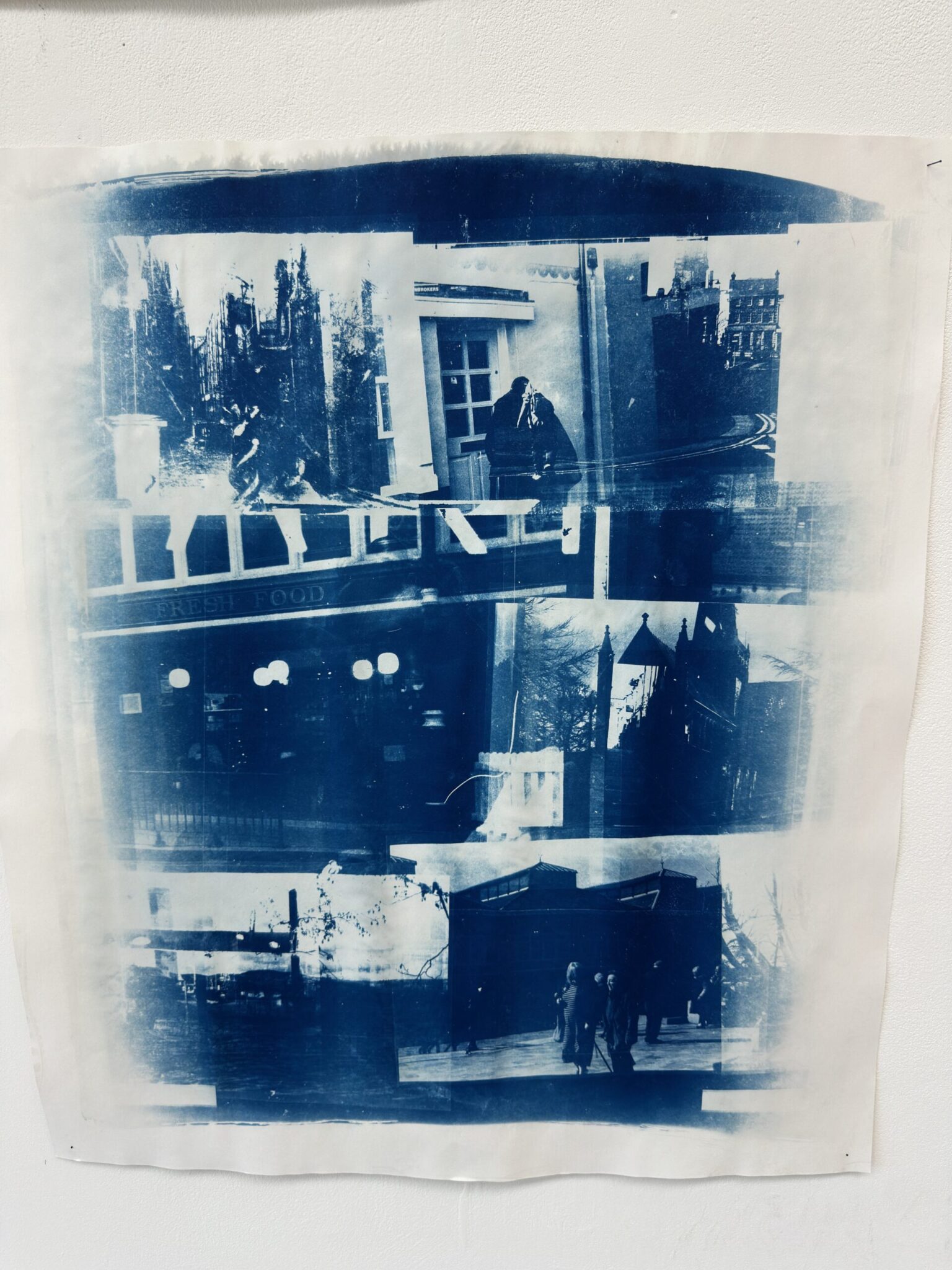
Last was a peice using cyanotypes, I wanted to get these made for my images but I had changed my projects topic part way into the project and therefore was unable to make cyanotypes in time.